
Window light: the easiest way to better phone photos at home
The best light in most homes is free and already there. How to use a window for portraits, food and products, with nothing more than your phone.

Ask a photographer what they would use if they had no equipment at all, and most will point at a window. Window light is soft, directional and flattering, and almost every home has some.
Here is how to use it for people, food and small products with nothing but your phone.
Why window light works
A window is a large light source close to your subject. Large, close light wraps gently around faces and objects, with soft shadows that give shape without being harsh. It is the same reason studios use big softboxes.
Turn off the room lights
Indoor bulbs are usually warmer or greener than daylight. Mixing the two gives faces an odd colour cast that is hard to correct. Switch off the ceiling lights and lamps and let the window do the work.
Find the right distance
Close to the window, light is brighter and shadows are deeper. Further into the room, light is softer and more even, but dimmer. For portraits, start a step or two from the window and move until the face looks right on your screen.

Choose a direction
Where the light falls changes the mood:
- Facing the window gives bright, even, fresh light, with very few shadows. Good for skin and for products where detail matters.
- Side light, with the window to one side, gives shape and depth. Half the face is a little darker. This is the classic portrait light.
- Back light, with the window behind the subject, gives a glow around the hair and edges. Tap on the face to expose for it, or the person will be a silhouette.
Soften harsh sun
If direct sun is pouring in, the light is hard and contrasty. Draw a thin white curtain, tape a sheet of baking paper to the glass, or simply wait for the sun to move. North-facing windows, or any window on a cloudy day, give soft light for hours.

Blinds can be used on purpose for striped light, but they are distracting in everyday photos.
Bounce light into the shadows
If one side of the face or the product is too dark, hold something white on the shadow side: a sheet of paper, a white cushion, a pillowcase. It reflects window light back and softens the shadows. Photographers call this a bounce, or fill.
Window light for food and products
Side or back light from a window is how many food photographs are made. It brings out texture, steam and shine.
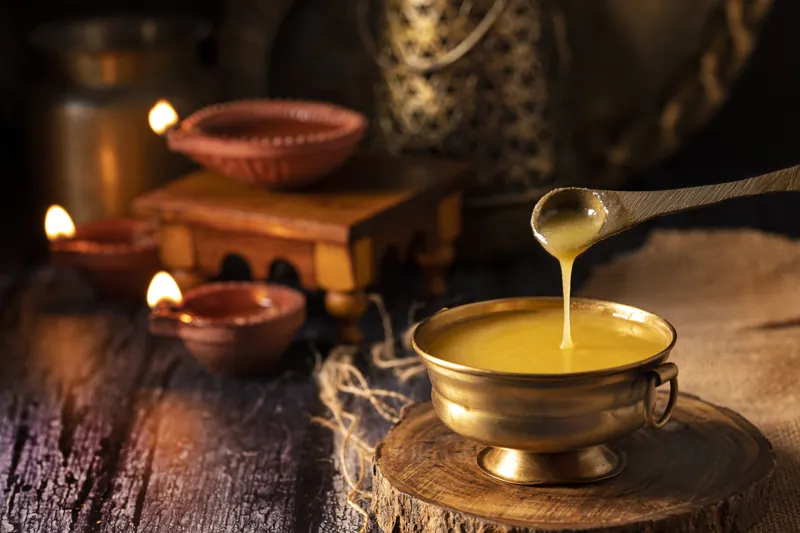
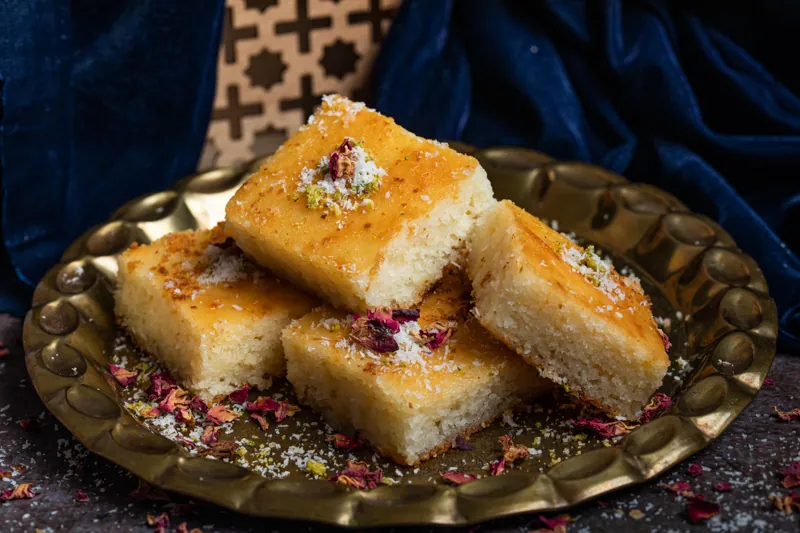
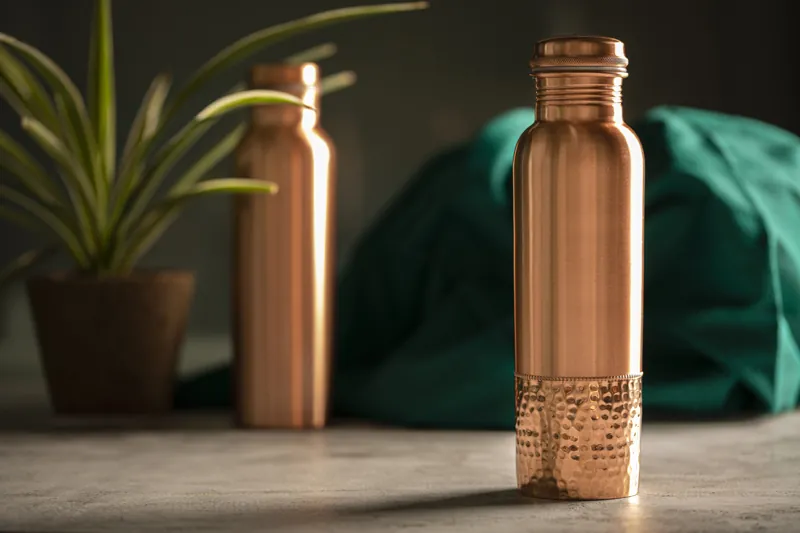
Put the plate or product on a table near the window, with the light coming from the side or slightly behind. Use a piece of white card on the opposite side to lift the shadows, and shoot from just above the table or straight down.
Window light for rooms
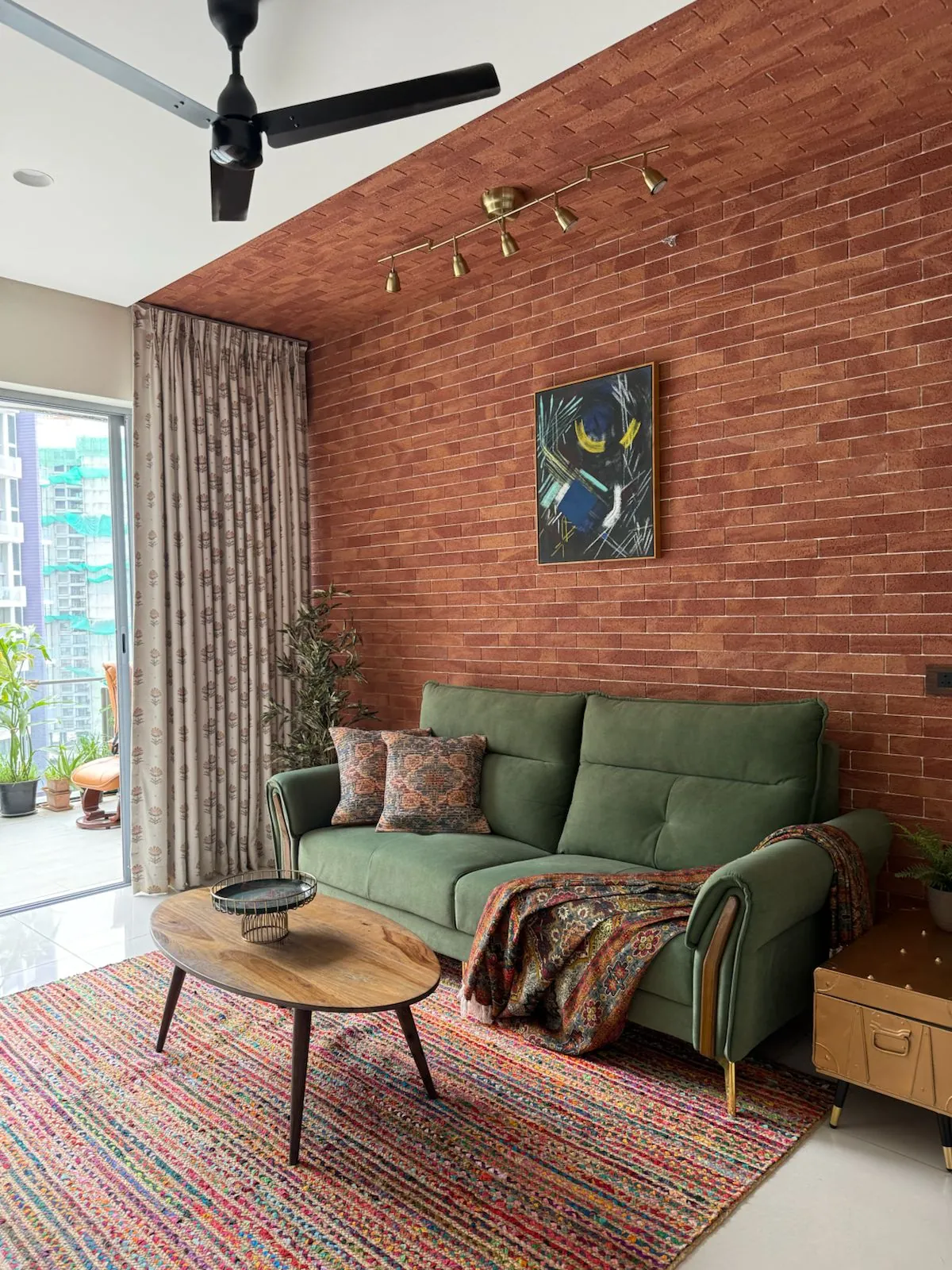
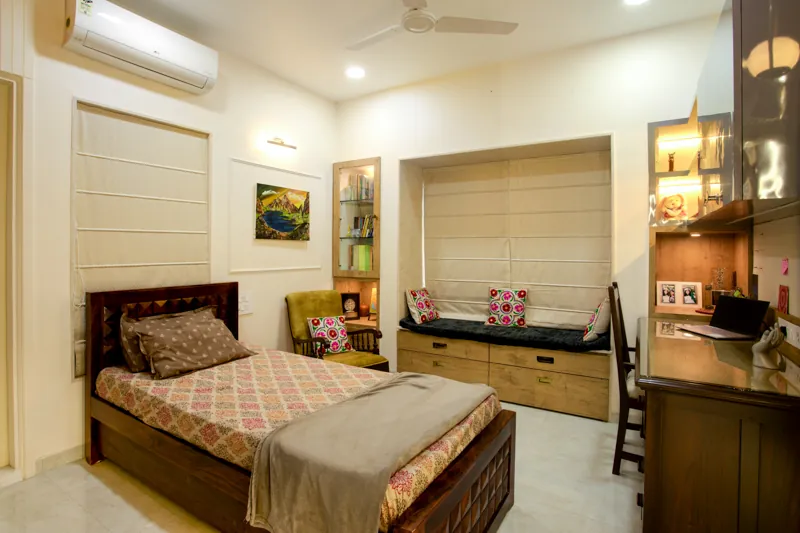
Daylight is also what makes a room feel the way it does in person. Photograph rooms in the daytime with the curtains open, and turn on lamps only if they add warmth without changing the colour of the whole room.
Try it today
Pick a window, switch off the room lights, and take the same photo facing the window, beside it and with your back to it. You will see the difference immediately, and you will start noticing light everywhere you go.
When the light has to be controlled exactly, for a product range, a menu or a team, we light it in the studio.


