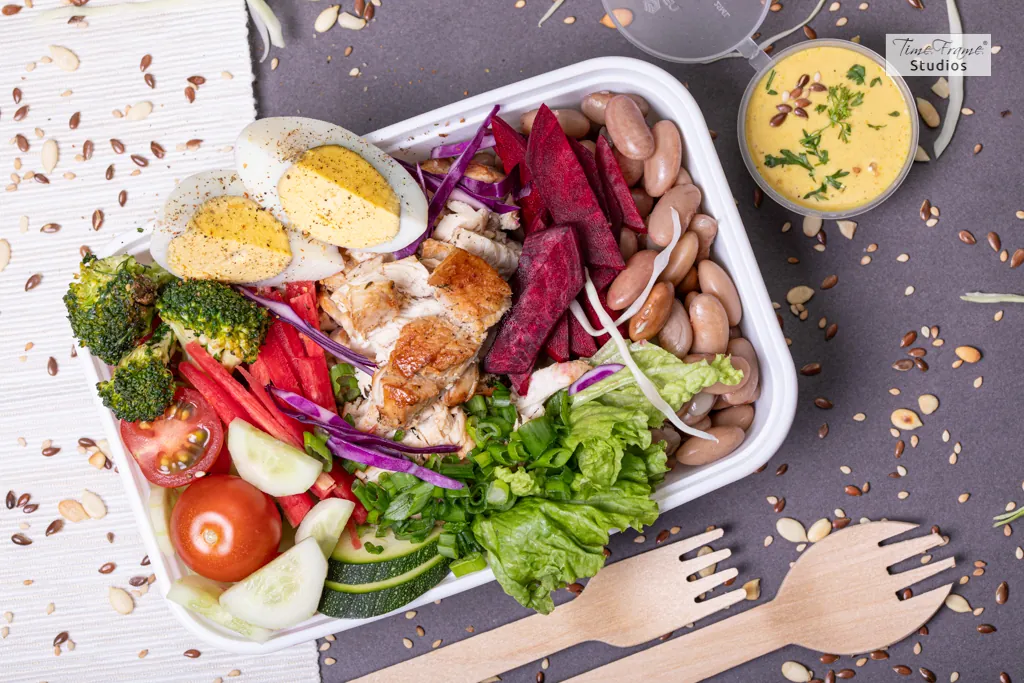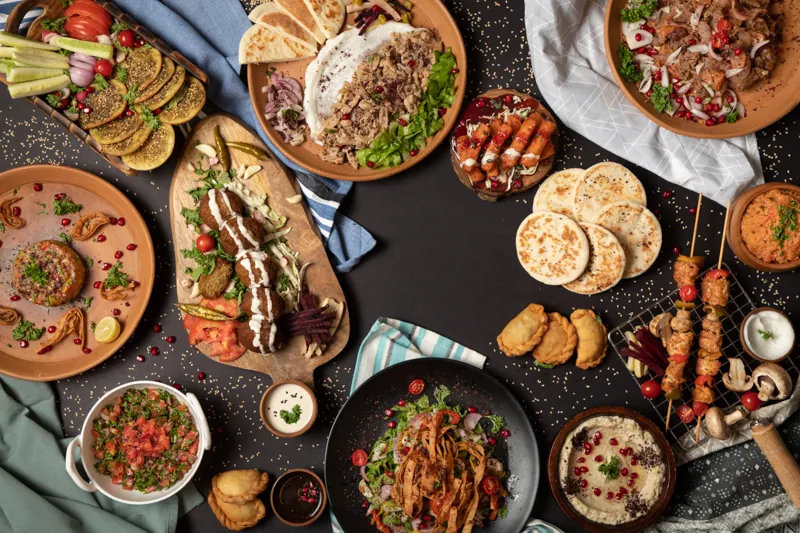
Food styling basics: how dishes are kept fresh and appetising on camera
Food starts dying the moment it leaves the kitchen. Here is what food styling actually involves, and how it keeps dishes looking fresh long enough to photograph.
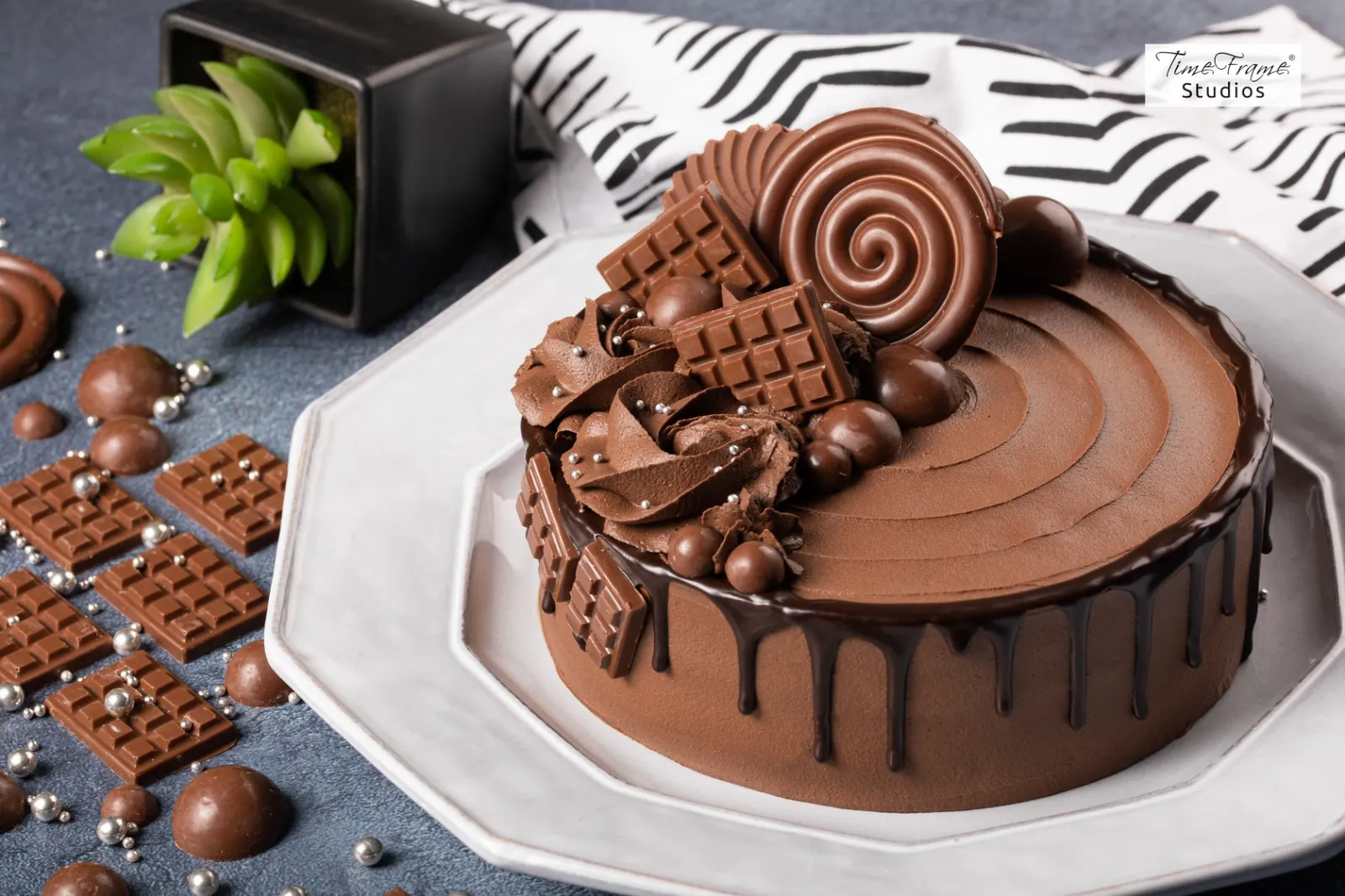
A dish starts changing the moment it leaves the kitchen. Greens wilt, sauces skin over, cheese sets, ice cream melts and rice dries out. In real life nobody notices. In a photograph, every change shows.
Food styling is the work of making a dish look the way it tastes, for long enough to photograph it well. Here is what that involves.
Cooking for the camera
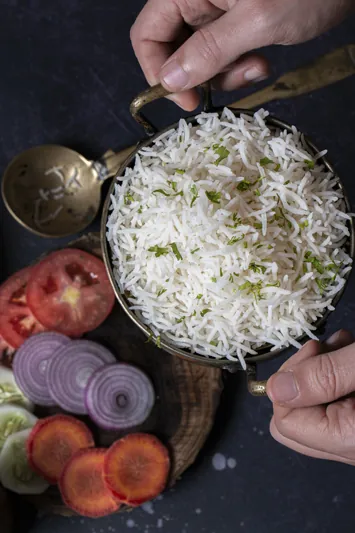
Food for photography is often cooked slightly differently from food for eating. Vegetables are cooked a little less so they keep their colour and shape. Fried items are made just before they go on set. Rice and noodles are kept loose, not packed. Gravies are made a little thicker so they don't spread across the plate.
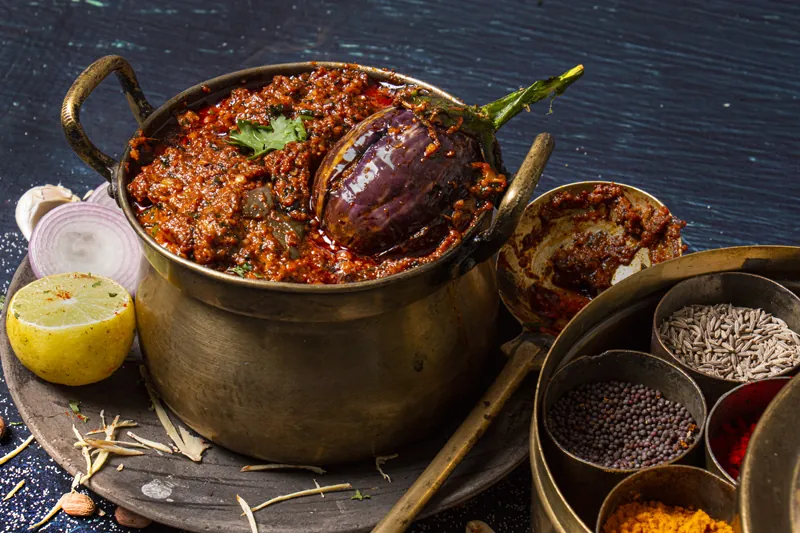
The aim is the real dish at its best moment, not a fake.
Plating with height and space
Food piled flat looks smaller and less appetising on camera. Stylists build a little height, leave clean edges on the plate, and turn the best side of each element towards the lens.
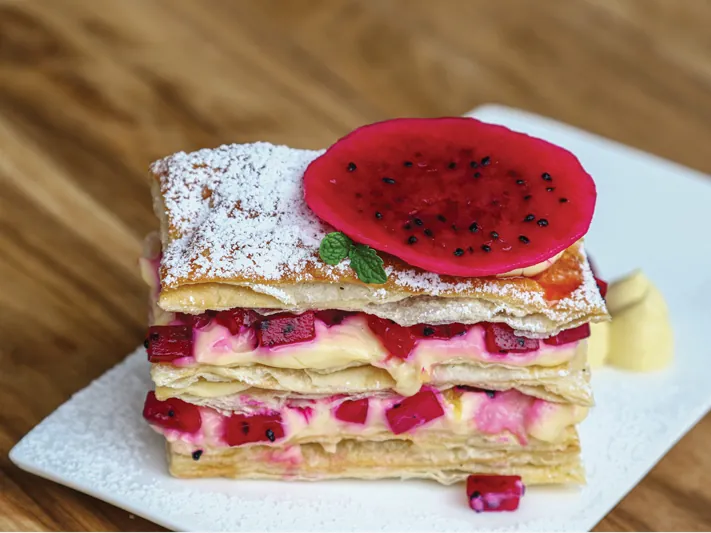
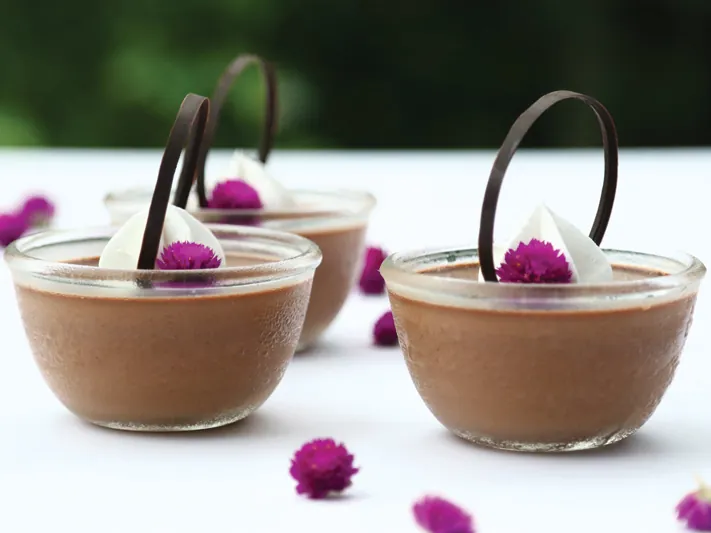
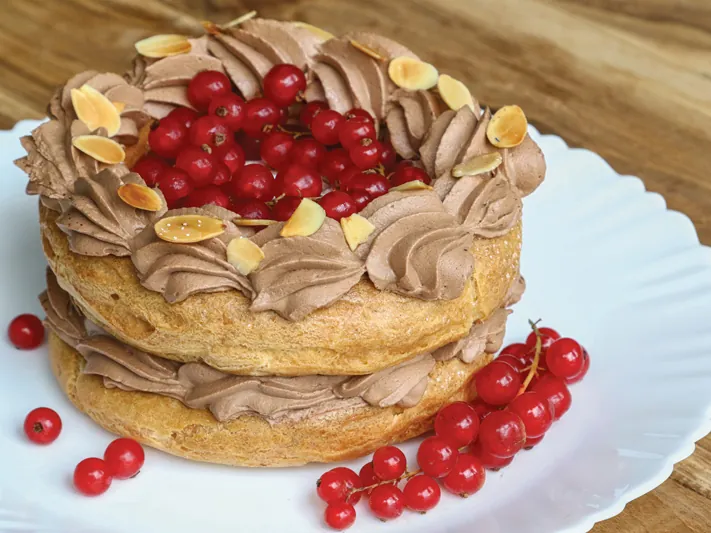
Smaller plates often work better than restaurant plates, because they keep the food filling the frame.
Garnish at the last second
Fresh herbs, a drizzle of oil, a dusting of spice or a few drops of water on vegetables are added at the very end, once the camera, light and composition are ready. That is what makes a dish look like it just came out of the kitchen.
Props and surfaces
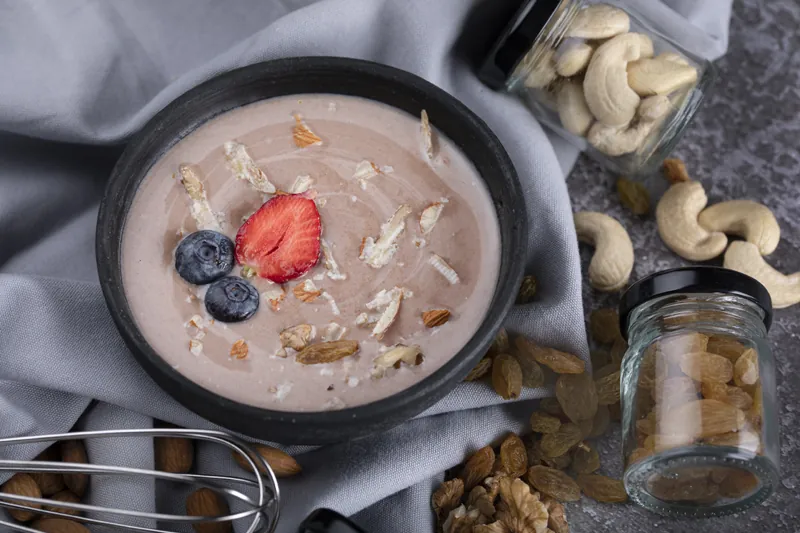
Props tell the viewer where the food belongs: a brass katori for a home-style dish, a wooden board for street food, clean white ceramics for a modern café. A few well-chosen props are better than many.
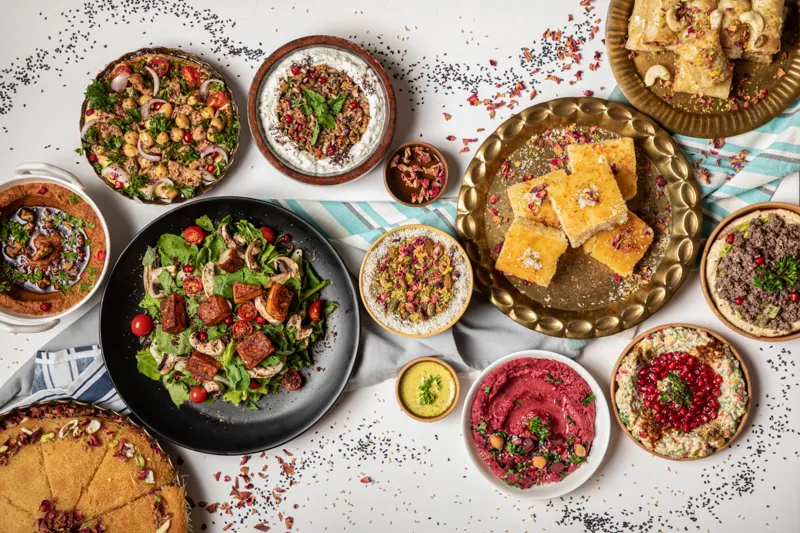
Surfaces matter as much as plates. Wood, stone, linen and dark painted boards each change the mood of the whole menu, so choose one or two and keep them consistent.
Movement and hands
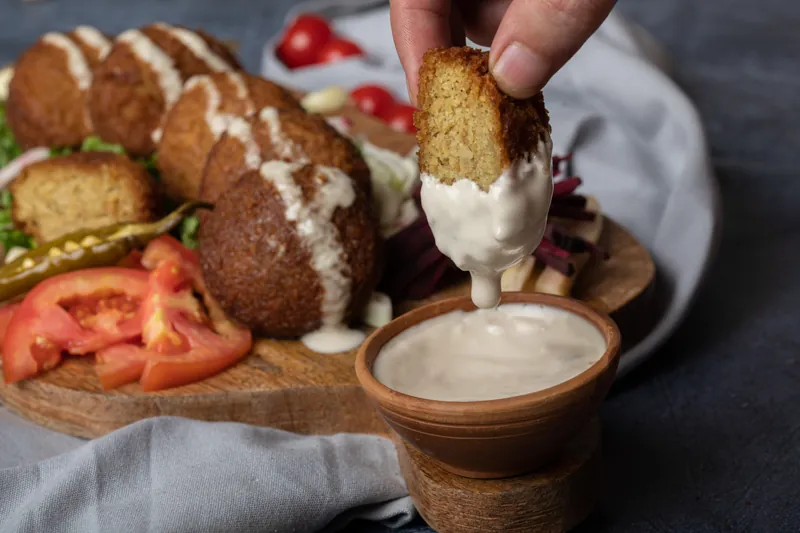
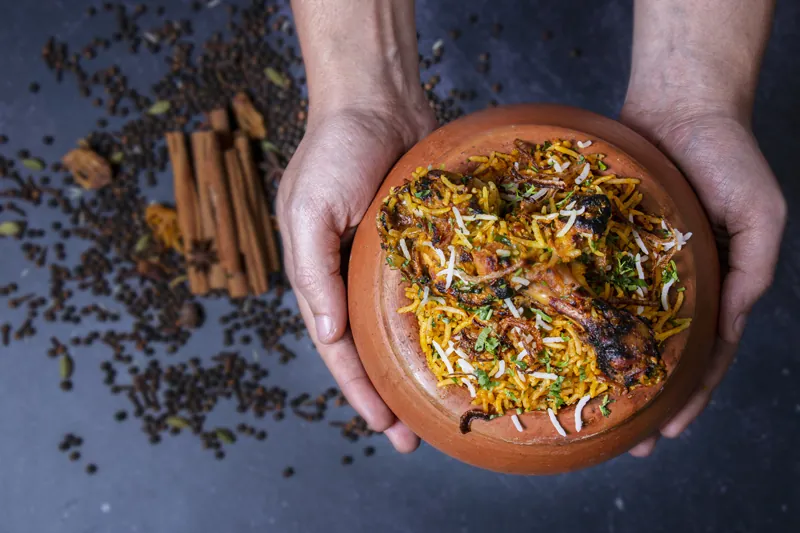
A hand breaking bread, a falafel dipped into tahini, a ladle lifting biryani: movement makes food feel real and immediate. These shots are planned and repeated until the moment looks natural.
Timing is everything
A food shoot is planned so the camera is ready before each dish arrives. The light is set with a stand-in plate, the composition is agreed, and the real dish comes in fresh for the final frames. Some dishes, like ice cream, cold drinks and fried snacks, have only a minute or two before they change.
Do you need a food stylist?
For a few dishes for Instagram, careful plating may be enough. For a full menu, a packaging shoot or a campaign, styling makes a clear difference, and it saves time on set. At TimeFrame® Studios, food styling is included in every The Hero Shot quote, and we are happy to work with your own stylist or chef.