
Composition basics for phone photographers: thirds, lines and space
Composition is simply deciding what goes where in the frame. Five ideas photographers use every day, and how to use them on your phone.

Two people can stand in the same place with the same phone and come back with very different photographs. The difference is composition: what you include, what you leave out, and where you put it in the frame.
You don't need to learn rules. These are ideas to try, and then to break when you have a reason.
The rule of thirds
Turn on the grid in your camera settings. It divides the screen into nine equal parts. Placing your subject on one of the lines, or where two lines cross, usually feels more natural and balanced than placing it dead centre.

For landscapes, put the horizon on the top or bottom line, not through the middle. More sky if the sky is interesting; more land if the land is.
Leading lines
Roads, rivers, railings, corridors and paths draw the eye into a photo. Place yourself so these lines lead towards your subject, or towards the distance.


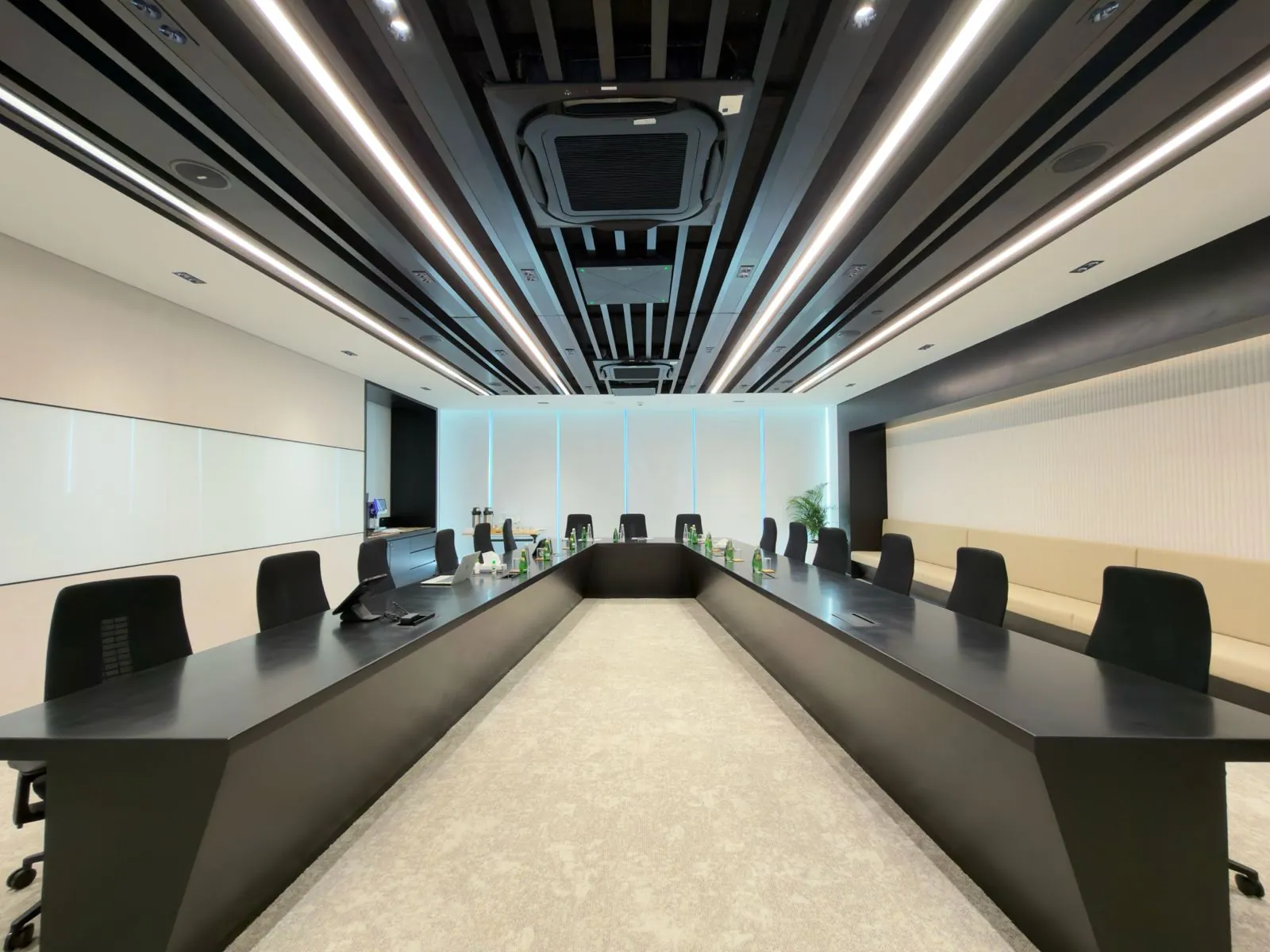
Lines don't have to be straight. A curving path or a row of chairs does the same job.
Framing
Shoot through something: a doorway, an arch, a window, overhanging branches. A frame within the frame focuses attention and adds depth.

It works with people too. A reflection in a mirror, or a person seen through a doorway, adds a layer of story.

Symmetry
Some subjects are built to be symmetrical: buildings, corridors, a dining table, a thali seen from above. For these, abandon the rule of thirds and centre everything carefully. Symmetry only works when it is exact, so use the grid.


Leave space
Empty space, sometimes called negative space, gives a subject room to breathe. A single cup on a big table, a person against a wide sky. If someone is looking or moving in one direction, leave more space in front of them than behind.
Change your angle
Most phone photos are taken from standing height, so most phone photos look the same. Crouch down to a child's eye level. Shoot food from directly above, or from just above the table. Hold the phone low to make a building tower, or high to show a whole room.

Fill the frame, or don't
Decide what the photo is about. If it is a face, fill the frame with it. If it is a person in a place, step back and show the place. The worst photos are usually somewhere in between: a small subject lost in a cluttered frame.
Practise on purpose
Pick one idea a week. Take ten photos using only leading lines, or only framing. Compare them with your usual photos. It quickly becomes instinct, and you will start seeing compositions before you lift the phone.


