Planning photography for a Maharashtrian wedding: from haldi to the pheras
A Maharashtrian wedding runs over several functions and dozens of rituals. Here is how couples and families can plan the photography so every important moment is covered.
A Maharashtrian wedding is not one event. It is the haldi, the mehendi, the sangeet if there is one, the rituals on the wedding day and, for many families, a reception the same evening. Each function has its own light, its own guests and its own moments that will not happen twice.
Good wedding photography starts weeks before the day, with a plan that the couple, both families and the crew all understand. This is how we plan it with families.
List every function, not just the wedding day
Start with a simple list: each function, its date, its venue and roughly how long it runs. Haldi is often at home in the morning, the mehendi may be at a hall or a terrace in the evening, and the wedding itself may start before sunrise if the muhurat is early.
The list decides how many people you need on the crew, and when. A haldi needs a photographer who can move quickly in a small, crowded room. A wedding day with a large guest list often needs a second photographer and a video crew.
Getting ready is part of the story
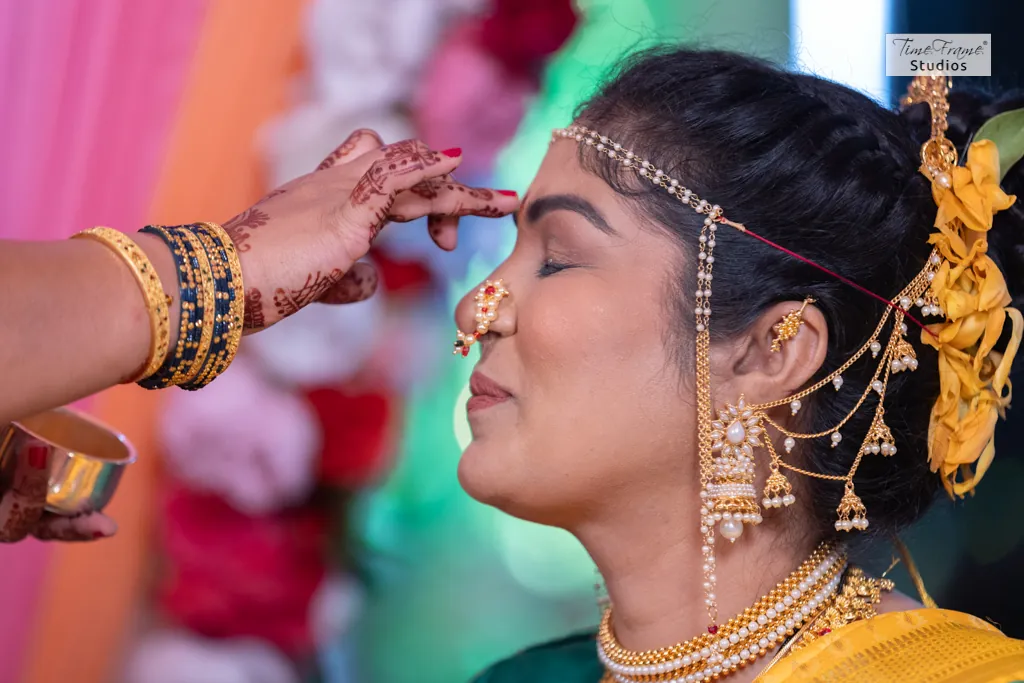
The hours before the ceremony give some of the calmest, most personal photographs of the day: the nath going on, the last pins in the hair, a parent watching from the doorway.
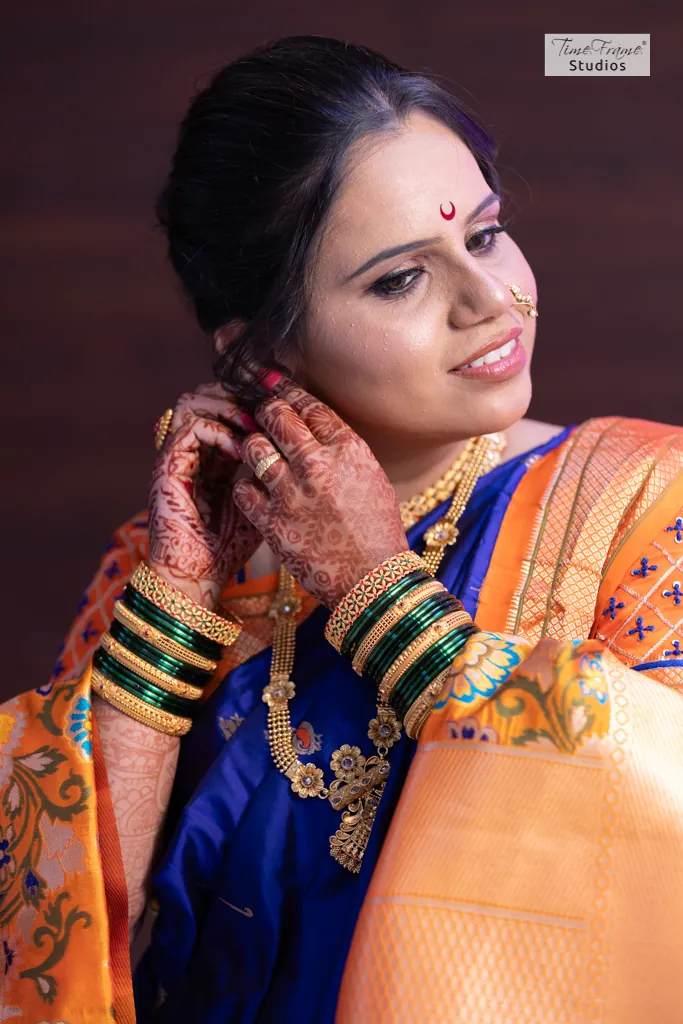
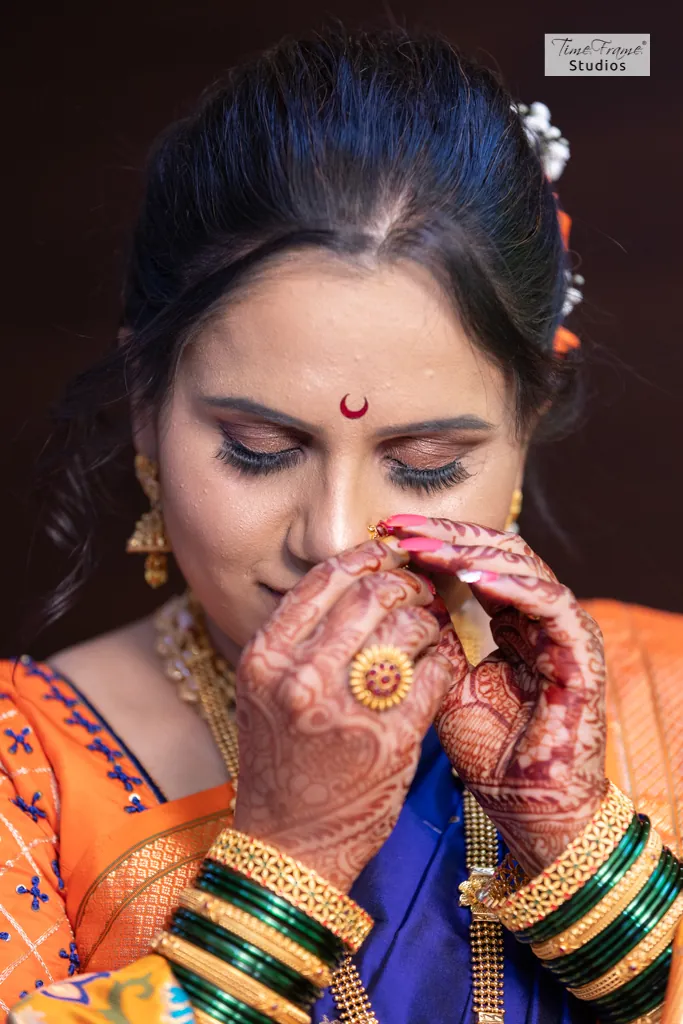
Tell us where the bride and groom are getting ready, and leave a little space near a window. Daylight from a window is the most flattering light in most homes and hotel rooms.
Haldi and mehendi
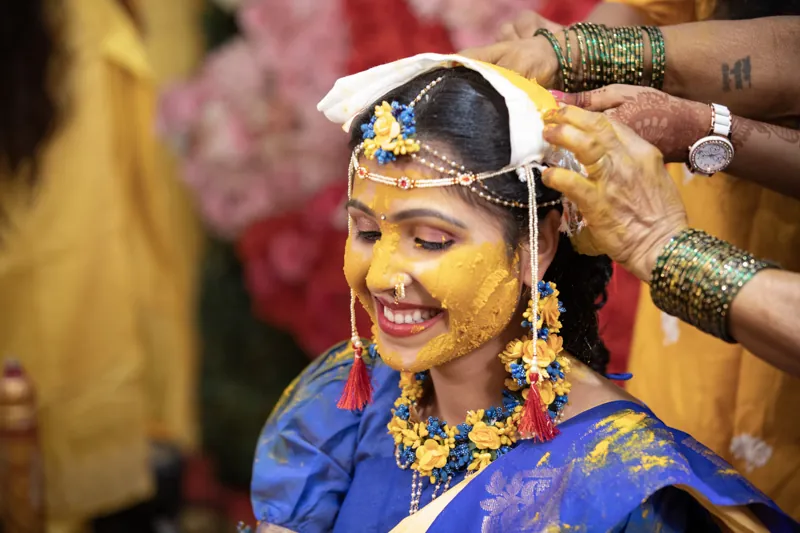
Haldi is loud, messy and joyful, and it moves fast. Plan who will apply the haldi first, and let the photographer know if anyone special is arriving late. If the bride is wearing flower jewellery, that is worth a few portraits on its own before the haldi starts.
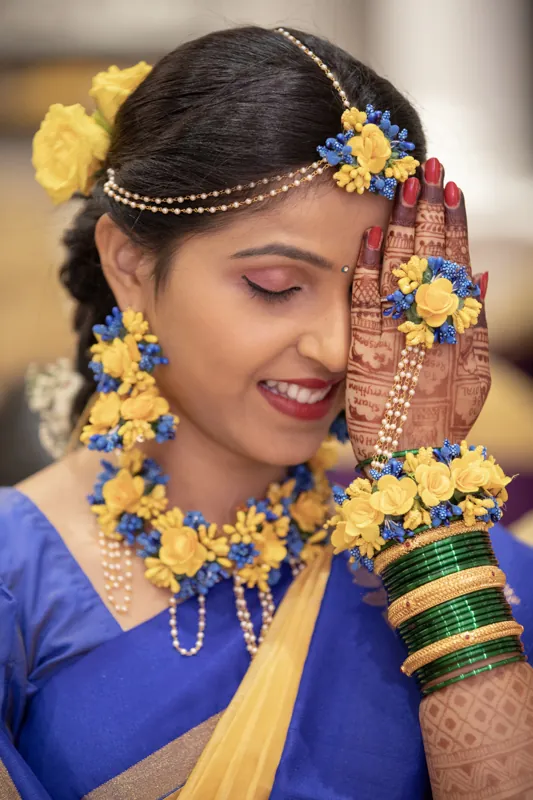
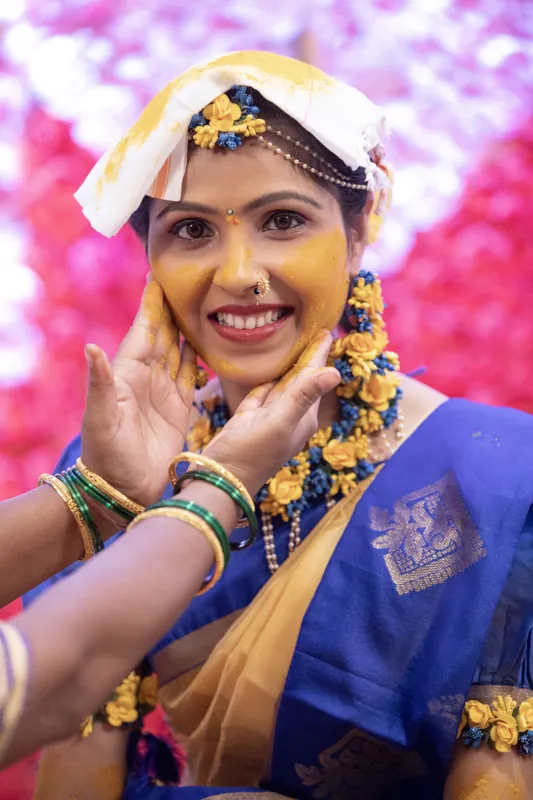
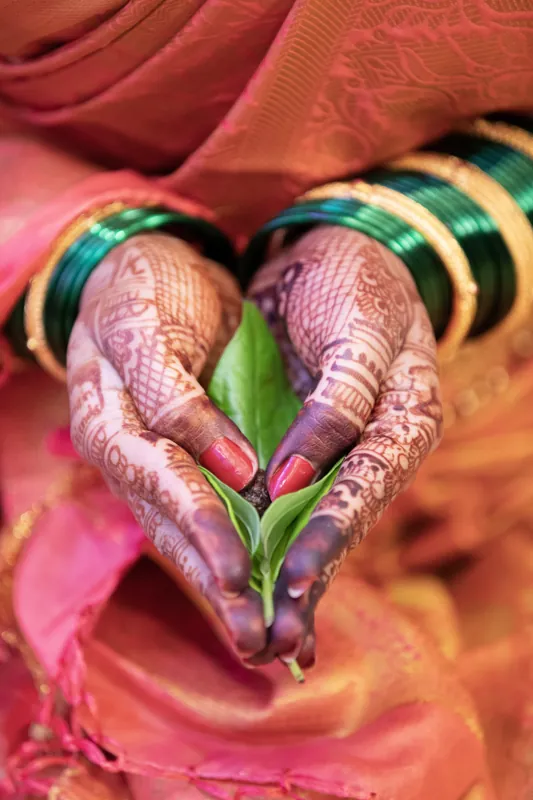
The mehendi gives time for slower, detailed photographs: the design, the hands, the bangles and the people laughing around the bride.
Share the order of rituals
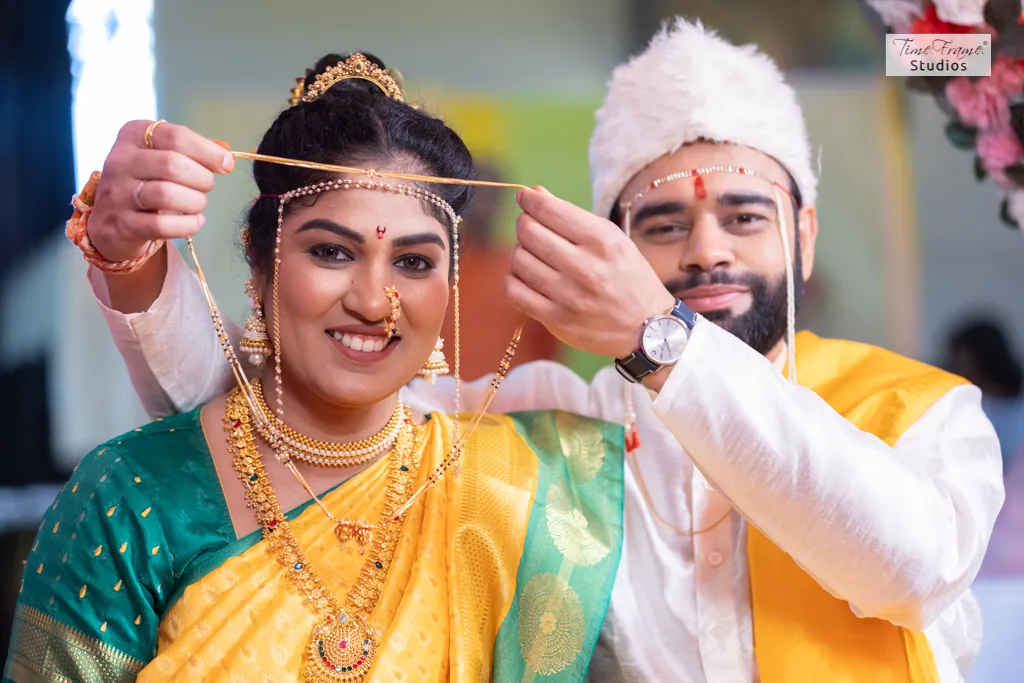
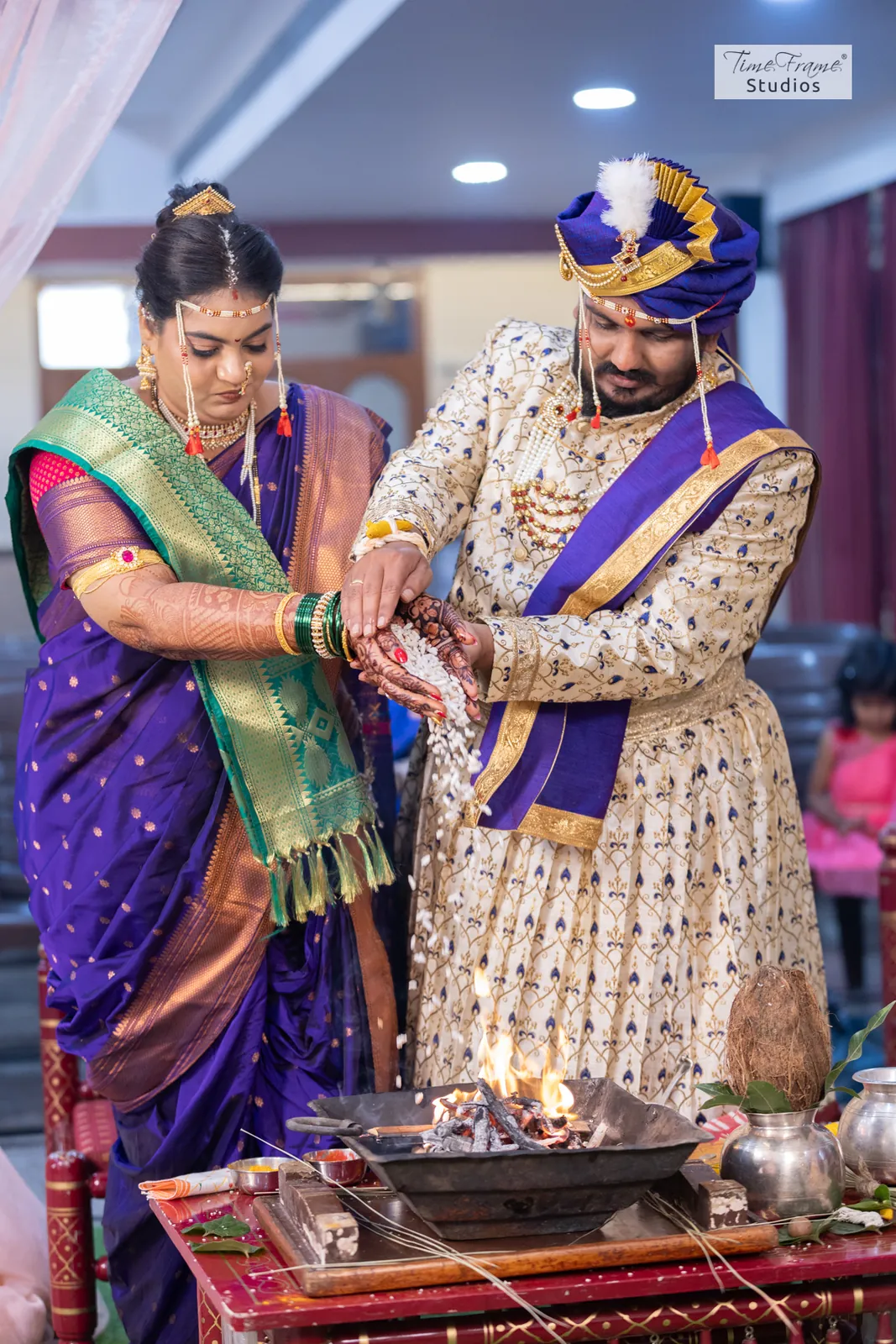
Every family and every priest follows the wedding a little differently. Ask your priest for the order of rituals and share it with your crew a few days before. Most families will want clear coverage of moments such as the Gauri Hara puja, the antarpat and the mangalashtak, the kanyadaan, the saptapadi (the pheras) and the mangalsutra, but the order and the timing are yours.
If the timings shift on the day, as they often do, keep one family member in touch with the crew.
Plan the details
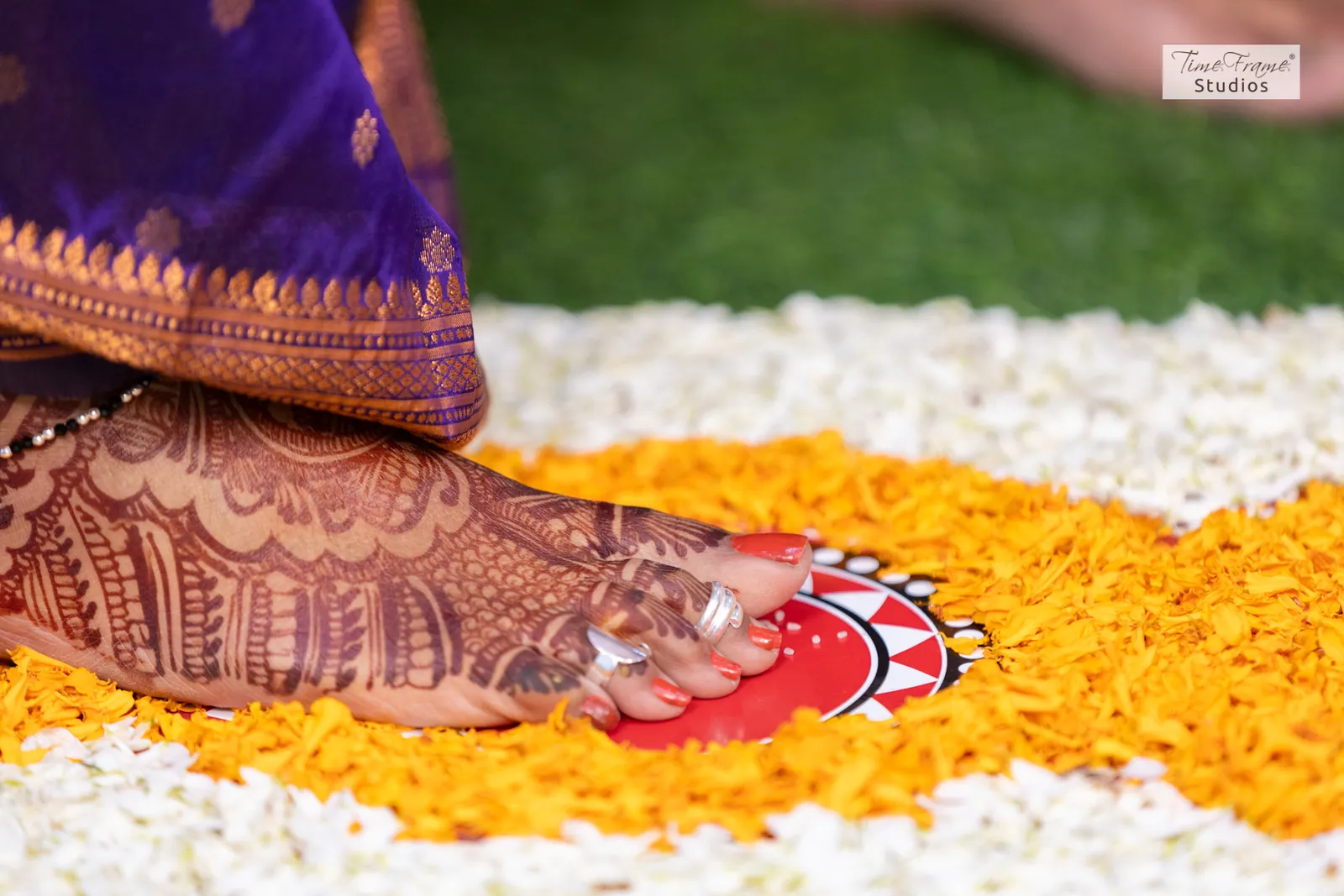
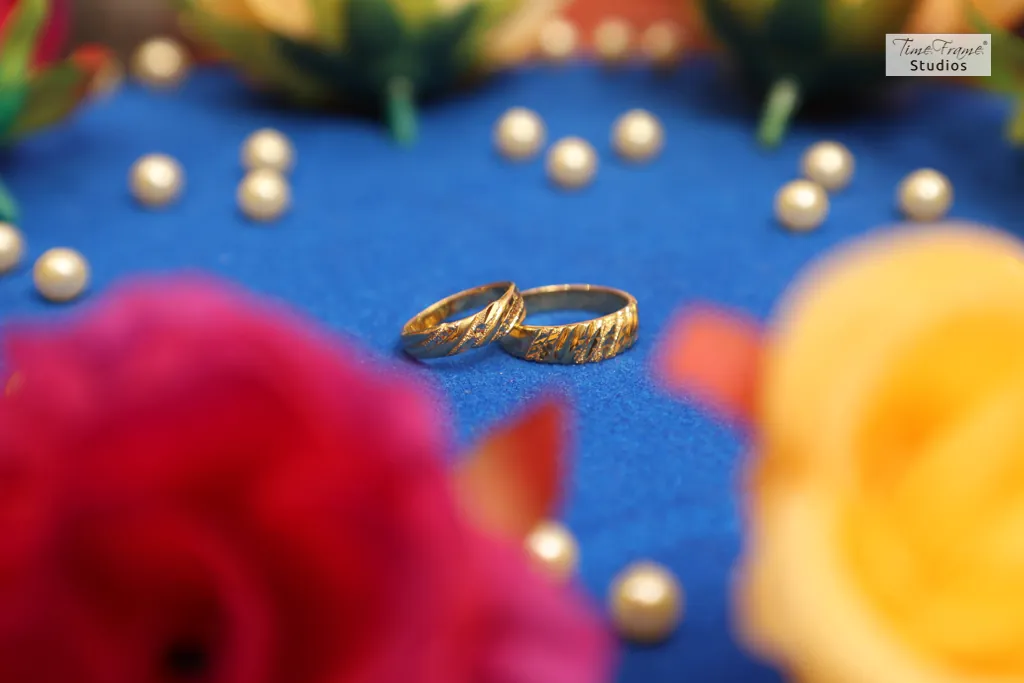
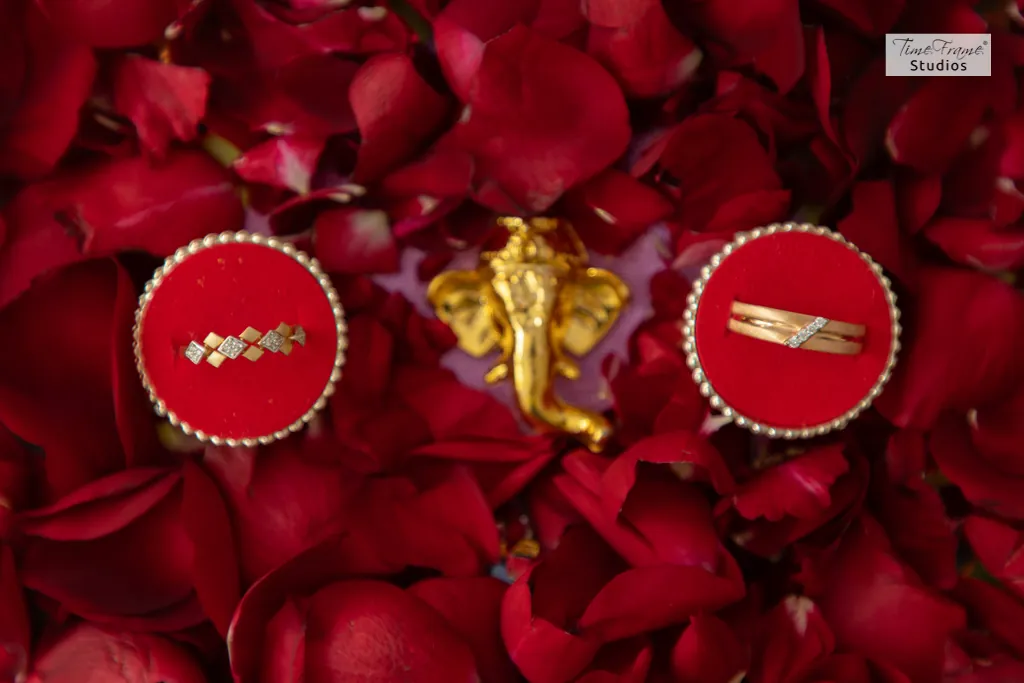
Rings, mehendi, the mundavalya, the decor and the rangoli all tell part of the story. Set the rings and any special jewellery aside with one person so they can be photographed before the ceremony, without a search in the middle of the rituals.
Family portraits
Weddings bring together people who may not be in the same room again for years. Make a short list of the groups you want: both sets of grandparents, siblings, cousins, the families together. Name one person from each side who knows everyone and can gather people quickly.
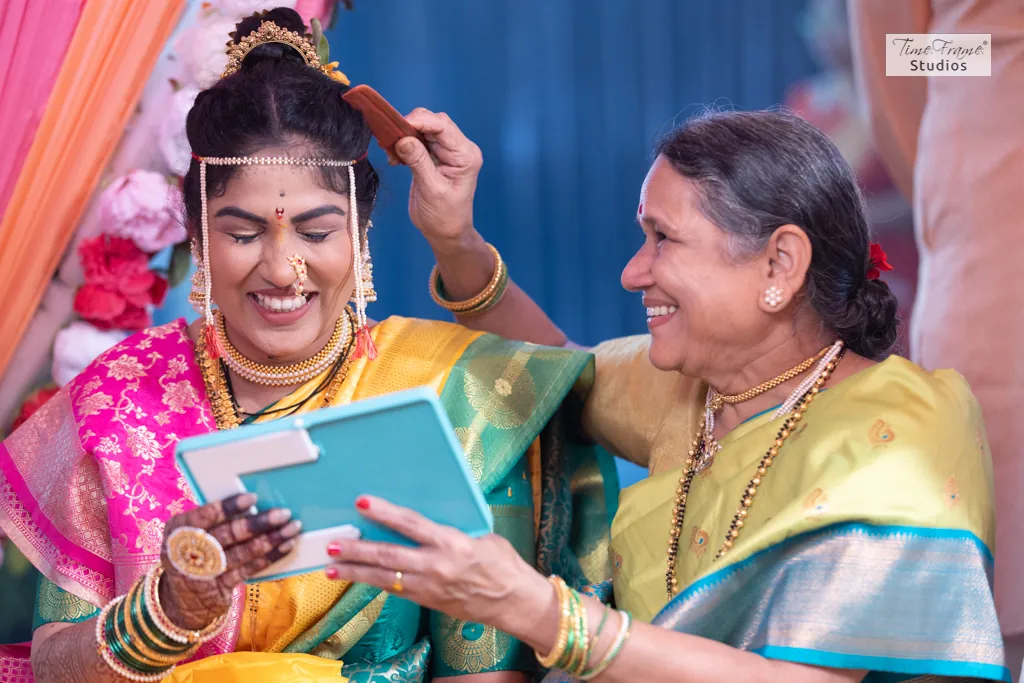
We usually schedule portraits just after the main rituals, before guests head to lunch. Elderly relatives who may leave early are worth photographing first.
Time for the two of you
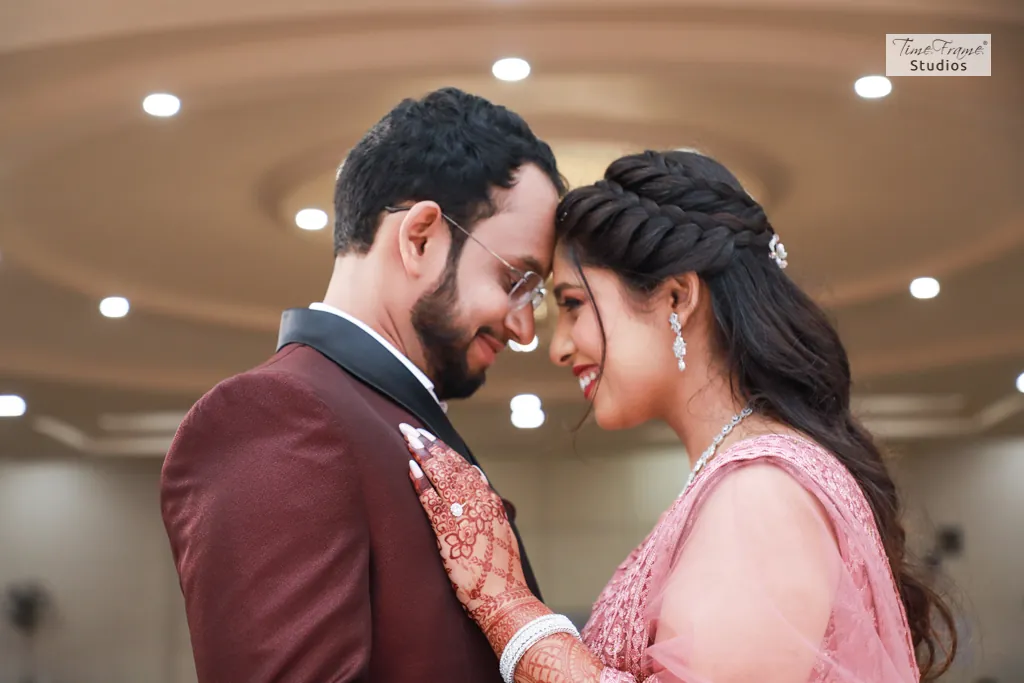
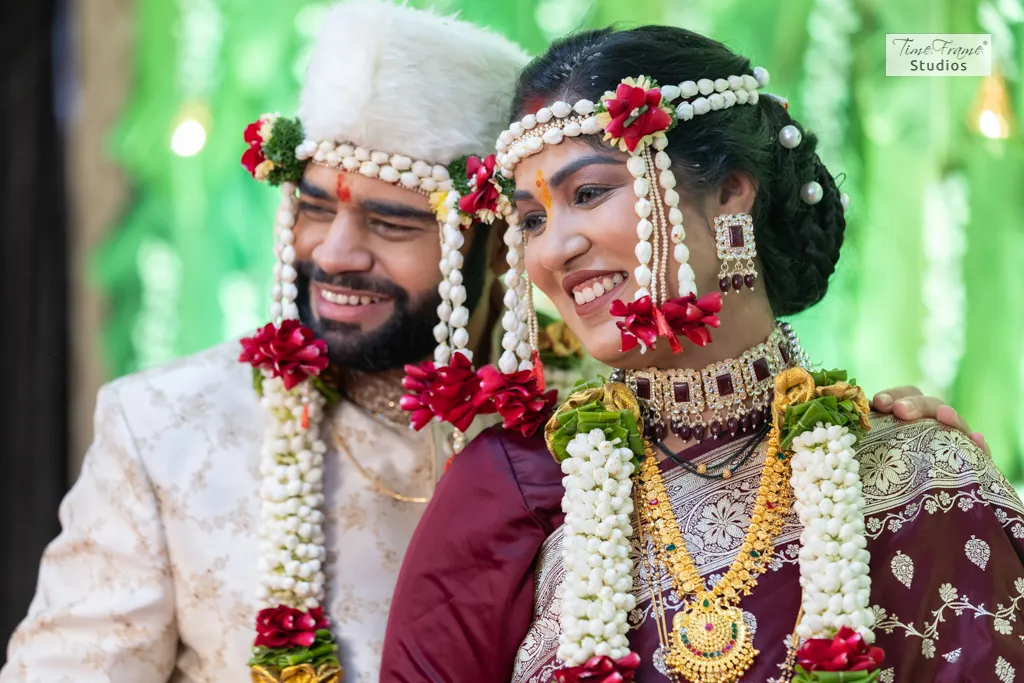
Ask for twenty minutes with just the couple, away from the crowd. It is often the only quiet time on the wedding day, and it gives the photographs couples tend to frame.
After the wedding
Photographs typically arrive within 1 to 2 weeks, depending on the scale of the wedding, followed by the films and the album. You choose the album photographs from a proof gallery, so set aside an evening with your families to do it together.
Planning a wedding?
Vows & Vidhis covers engagements, pre-wedding shoots and weddings in Pune and across India, with candid and traditional photography, cinematic films, reels and drone coverage. Send us your dates and functions, and we will come back with a plan and an exact quote.